What Is The Difference Between Monatomic Gold and Edible Gold
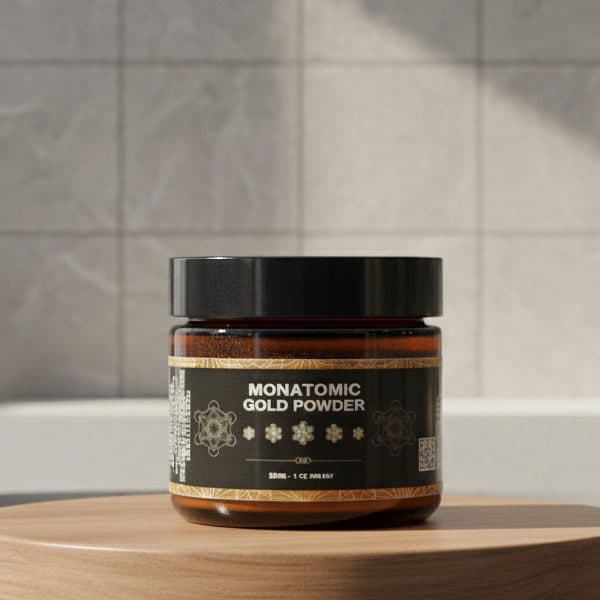
Every so often, you come across different types of gold being talked about – edible gold and monatomic gold. However, as similar as they sound, there are remarkable differences between these two types of gold. While one can be consumed as a luxury food ingredient, the other has become quite popular within spiritual circles. In this post, we’ll explore the difference between monatomic gold and edible gold, clarifying the properties and origins of each.
What Is Edible Gold
Firstly, let’s talk about edible gold. This is what you see on some of the most extravagant desserts and dishes, adding an element of luxury to the meal. Edible gold can take different forms like flakes, leaf, dust, and powder, and it isn’t just used on food but also in drinks like cocktails. Edible gold doesn’t have any health or therapeutic benefits, and it doesn’t interact with the body as such.
What Is Monatomic Gold
White Monatomic Gold Powder Information
Monatomic gold, on the other hand, is quite a different story altogether. Some call it a mystic element, as it’s believed to give potent physical and spiritual benefits. Monatomic gold comprises single atoms of gold that have lost their metallic properties, which means they no longer have a metallic color or luster.
Unlike edible gold, monatomic gold can be costly and challenging to find. It’s accessed predominantly through alchemical processes like ancient-Egyptian and alchemist methods, making it a rare and expensive substance.
Type Of Usage
Another crucial difference between these two types of gold is their usage. While edible gold is used in the luxury food and beverage industries, monatomic gold is believed to have been used by ancient civilizations for thousands of years and is believed to have medicinal and spiritual capabilities. However, it’s worth noting once again that there is not yet any scientific proof to support these claimed benefits.
Long-Term Safety of Monatomic Gold Powder
There’s a lot of debate surrounding the long-term safety of monatomic gold powder. However, it’s important to note that these claims are mostly anecdotal and lack substantial scientific backing. Therefore, caution is advised when using monatomic gold powder long-term. It’s recommended to consult with a healthcare professional before starting any supplementation regimen, including one involving monatomic gold, to properly assess potential risks and benefits.
In summary, it is clear that although they share the term ‘gold,’ monatomic gold and edible gold are worlds apart. Edible gold offers aesthetic qualities with no nutritional benefits, while monatomic gold is believed to provide health and spiritual benefits but lacks reliable scientific evidence to substantiate these beliefs. So, next time you see gold on your sushi or caviar, remember the difference between the luxurious edible gold and the mystical monatomic gold that was coveted by ancient alchemists.
Monatomic elements, in liquid and powder form
Each product page lists the element, the concentration and the format, with subscription options where available.
More from the Journal
All articles →
Create SMART Goals To Improve Health
Are you looking for an effective way to get healthier and make concrete improvements in your life? Setting SMART goals can help make success more attainable by …
What is Monatomic Gold? Exploring the FAQs
Monatomic gold, also known as ORMUS and white powder gold, is a mysterious substance that has been the subject of much speculation over the years. It is said to…

Easy Ways To Cleanse Your Home of Negative Energy
Do you ever feel like your home is just a little too negative? Maybe you’ve been having a lot of fights with your partner recently, or you’ve been feeling down …